

MSG monosodium glutamate
Monosodium glutamate, commonly known as MSG, is a widely used food ingredient valued for its ability to enhance savory taste and bring out the natural flavors of many foods. From restaurants and catering kitchens to food manufacturers and wholesale food businesses, MSG is used in a variety of applications where consistent flavor is important.
For businesses searching for MSG monosodium glutamate in Dubai, UAE, understanding the product, its applications, storage requirements, and purchasing considerations can help them choose the right supply for their operations. Good Start Foodstuffs Trading L.L.C. serves the UAE food trading market and supports restaurants, wholesalers, distributors, catering companies, and other professional buyers looking for food ingredients and reliable supply solutions.
What Is MSG Monosodium Glutamate?
MSG stands for monosodium glutamate. It is the sodium salt of glutamic acid, an amino acid that occurs naturally in many foods. Glutamate is naturally present in foods such as tomatoes, mushrooms, cheese, meat, fish, and some vegetables.
MSG is primarily used as a flavor enhancer. Its key role is to strengthen umami, one of the five basic tastes alongside sweet, sour, salty, and bitter. Umami is often described as a savory or rich taste and is an important part of many cuisines around the world.
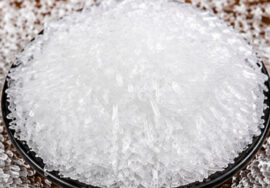
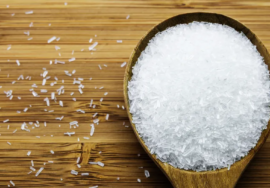
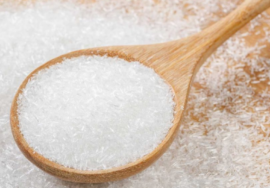
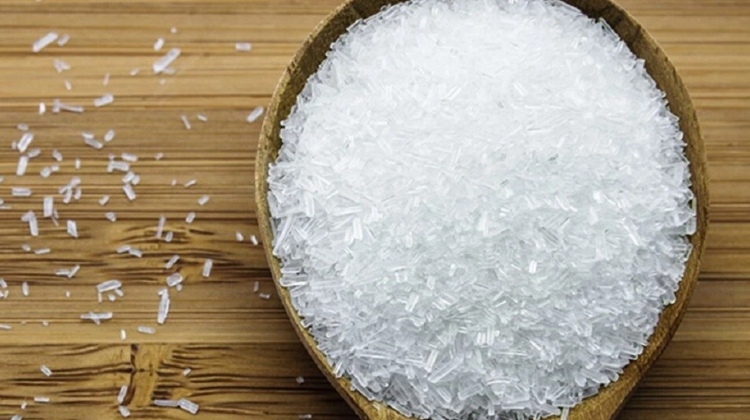
Commercial MSG is generally supplied as white crystalline granules or powder. Because it is easy to handle and can be incorporated into many food formulations, it has become an established ingredient for commercial kitchens and food processing applications.
Why Is MSG Used in Food?
Professional kitchens and food manufacturers often need to deliver consistent flavor across large quantities of food. MSG can help strengthen savory characteristics without changing the fundamental identity of a recipe.
When used appropriately as part of a balanced formulation, monosodium glutamate can complement ingredients such as herbs, spices, vegetables, meat, poultry, seafood, sauces, and seasonings. The exact amount required depends on the recipe, serving size, other ingredients, and applicable food regulations.
For restaurants and catering businesses, consistency is particularly important. Customers generally expect a familiar taste every time they order a dish. Standardized recipes using properly measured ingredients, including flavor enhancers where appropriate, can help commercial kitchens maintain that consistency.
What Is Umami Taste?
Umami is the savory taste associated with glutamate. It occurs naturally in numerous ingredients used in everyday cooking. Tomatoes, aged cheeses, mushrooms, meat broths, seafood, and fermented foods are common examples of foods associated with umami characteristics.
Monosodium glutamate provides glutamate in a form that can be conveniently incorporated into food preparation. This makes MSG particularly useful for commercial applications where manufacturers and chefs want precise control over recipes and flavor profiles.
Umami does not simply mean making food stronger or saltier. Instead, it contributes to the overall savory character of a dish. For this reason, MSG is frequently used together with other seasonings rather than as a replacement for every other ingredient.
Common Uses of MSG in Restaurants and Commercial Kitchens
MSG has a broad range of culinary applications. Restaurants may use monosodium glutamate in soups, noodles, rice dishes, gravies, sauces, marinades, meat preparations, chicken dishes, seafood recipes, vegetable dishes, seasoning blends, and other savory foods.
Catering companies may also use MSG when preparing food in larger batches. Standardized measurements can help catering kitchens reproduce the same flavor across multiple batches, an important consideration when serving events, corporate clients, hotels, schools, staff accommodation facilities, and other large-volume customers.
Food manufacturers may incorporate MSG into approved formulations for snacks, seasoning mixes, instant foods, sauces, soup products, processed foods, and other savory packaged products, subject to the relevant product standards and regulatory requirements.
MSG for the HoReCa Market in Dubai and the UAE
Dubai has a large and diverse hospitality sector serving residents, businesses, and international visitors. Hotels, restaurants, cafés, catering companies, cloud kitchens, cafeterias, and central kitchens require dependable access to food ingredients throughout the year.
For HoReCa buyers searching for MSG suppliers in Dubai, product quality is only one part of the purchasing decision. Businesses should also consider packaging, availability, storage conditions, documentation, delivery arrangements, pricing, and the supplier’s ability to handle repeat wholesale orders.
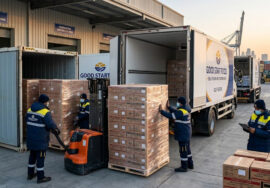
Buying from an established foodstuff trading company can simplify procurement by giving professional buyers a local point of contact for product enquiries, quotations, order planning, and delivery coordination within the UAE.
Wholesale MSG in Dubai for Traders and Distributors
Wholesale buyers generally have different requirements from individual consumers. A distributor may need carton quantities or larger commercial orders, while a restaurant may require regular deliveries based on weekly or monthly consumption.
When requesting a quotation for wholesale MSG in Dubai, buyers should provide details such as the required quantity, preferred packaging, delivery destination, expected purchasing frequency, and intended commercial application. Providing complete information allows suppliers to prepare more accurate commercial quotations and delivery arrangements.
Businesses purchasing for resale should also review labeling, product documentation, shelf life, storage instructions, and regulatory requirements applicable to their market before placing an order.
How to Choose an MSG Supplier in the UAE
Choosing an MSG supplier should involve more than comparing the lowest price. Commercial food buyers depend on continuity of supply, particularly when an ingredient forms part of a standardized recipe or manufactured product.
A suitable MSG supplier in the UAE should be able to provide clear product information, professional communication, suitable commercial packaging, transparent quotation terms, and dependable order coordination. Buyers should confirm relevant specifications and documentation before purchasing, particularly when sourcing ingredients for manufacturing or resale.
Availability is another important consideration. Restaurants and food manufacturers can experience operational problems if a regularly used ingredient suddenly becomes unavailable. Planning purchasing volumes in advance and maintaining appropriate inventory can reduce this risk.
MSG Storage and Handling
Correct storage helps maintain the condition of monosodium glutamate during its shelf life. MSG should generally be kept in a cool, dry environment and protected from excessive moisture. Businesses should always follow the storage instructions printed on the specific product packaging.
Once commercial packaging has been opened, good storage practices are important to reduce exposure to humidity and contamination. Containers should be properly closed, and food businesses should follow suitable hygiene and inventory-control procedures.
Commercial kitchens should also use accurate measuring methods. Standardizing ingredient quantities helps maintain consistency and prevents unnecessary product usage.
Is MSG the Same as Salt?
No. MSG and table salt are different ingredients. Table salt is sodium chloride, while monosodium glutamate is the sodium salt of glutamic acid. Although both contain sodium, they have different compositions and functions in food.
Salt primarily contributes salty taste, whereas MSG is used principally to enhance umami and savory characteristics. In commercial recipe development, chefs and food manufacturers may use both ingredients in carefully determined amounts according to the desired flavor profile.
Understanding MSG and Food Safety
MSG has been extensively studied and evaluated by food-safety authorities internationally. The U.S. Food and Drug Administration considers added MSG to be generally recognized as safe, while international food-safety assessments have also evaluated glutamates used as food additives.
Food businesses should nevertheless follow all applicable UAE regulations, product-label instructions, approved formulations, and good manufacturing or kitchen practices. Consumers with individual dietary requirements or sensitivities should make choices appropriate to their circumstances and seek professional medical advice when necessary.
MSG for Food Manufacturing and Seasoning Production
Food manufacturers require ingredients that can be measured consistently from one production batch to another. MSG is suitable for many savory formulations because manufacturers can control the amount added according to the specific recipe.
Seasoning producers may use monosodium glutamate alongside spices, salt, herbs, and other permitted ingredients to develop seasoning blends for different culinary applications. These can include chicken seasonings, meat seasonings, snack seasonings, soup mixes, noodle seasonings, and other savory products.
Before commercial production, manufacturers should establish an approved formulation and verify all relevant ingredient, labeling, allergen, and regulatory requirements for the destination market.
Buying MSG in Dubai, Sharjah, Abu Dhabi and Across the UAE
Food businesses searching online for where to buy MSG in Dubai often require more than a retail-size package. Restaurants, wholesalers, catering companies, food processors, supermarkets, and distributors may need commercial quantities and regular supply.
Good Start Foodstuffs Trading L.L.C. supports food businesses in the UAE with foodstuff trading and wholesale supply solutions. Buyers looking for MSG in Dubai can contact the company to discuss current product availability, commercial quantities, packaging options, quotations, and delivery requirements.
Supply requirements can also come from customers operating in Sharjah, Abu Dhabi, Ajman, Umm Al Quwain, Ras Al Khaimah, and Fujairah. Delivery availability, minimum quantities, pricing, and lead times should be confirmed when requesting a quotation.
What Should You Ask Before Ordering Wholesale MSG?
Before confirming a commercial MSG order, buyers should check the product specification, net weight, carton configuration, country of origin where applicable, manufacturing and expiry information, storage instructions, required documentation, minimum order quantity, price, payment terms, and delivery arrangements.
For large or recurring orders, businesses should also discuss expected monthly consumption. Forecasting requirements can help both buyer and supplier plan inventory more effectively and reduce the possibility of supply interruptions.
Why Local MSG Supply Matters for UAE Food Businesses
Local sourcing can provide practical advantages for restaurants, wholesalers, and manufacturers. Communication is easier, delivery requirements can be coordinated locally, and buyers can discuss repeat-order schedules according to their actual consumption.
For a high-volume restaurant, even a relatively inexpensive ingredient can become operationally important when it is part of several menu items. Similarly, a seasoning manufacturer may depend on regular ingredient availability to maintain its production schedule. Working with a UAE foodstuff supplier can therefore support better purchasing and inventory planning.
Who Can Buy MSG in Bulk?
Bulk monosodium glutamate can be relevant to restaurants, hotels, cafeterias, catering companies, central kitchens, food manufacturers, seasoning companies, snack producers, wholesalers, foodstuff traders, distributors, supermarkets, and other businesses involved in professional food preparation or resale.
The most suitable quantity depends on consumption. Smaller restaurants may prefer periodic carton orders, while distributors and manufacturers may require significantly larger quantities. Buyers should select order volumes according to realistic usage and storage capacity rather than purchasing unnecessary inventory.
MSG Supplier in Dubai – Contact Good Start Foods
If your business is looking for MSG monosodium glutamate in Dubai or elsewhere in the UAE, Good Start Foodstuffs Trading L.L.C. can assist with wholesale and commercial enquiries. Restaurants, catering businesses, food traders, distributors, and other professional buyers can request information about available packaging, quantities, pricing, and delivery arrangements.
Whether you are sourcing MSG for restaurant cooking, catering operations, seasoning production, food manufacturing, wholesale distribution, or resale, selecting the right product and maintaining a dependable supply chain are important for long-term operations.
Conclusion
Monosodium glutamate is an established flavor enhancer used in many savory food applications. Its association with umami makes it useful for restaurants, catering kitchens, seasoning producers, food manufacturers, wholesalers, and distributors seeking consistent flavor in commercial food preparation.
For businesses searching for an MSG supplier in Dubai, UAE, purchasing decisions should consider product specifications, packaging, documentation, storage, price, availability, and delivery service. Good Start Foodstuffs Trading L.L.C. provides a local contact for businesses seeking wholesale food ingredient supply and commercial MSG enquiries in Dubai and across the UAE.